.png)
 1 hour ago
2

On the eve of the midterm elections, two stories are running side by side in American politics. One is about what Donald Trump says he will do if Republicans lose control of Congress. The other is about why voters are in such a sour mood that a loss looks plausible. Together they explain what is really at stake on Tuesday, November 3.
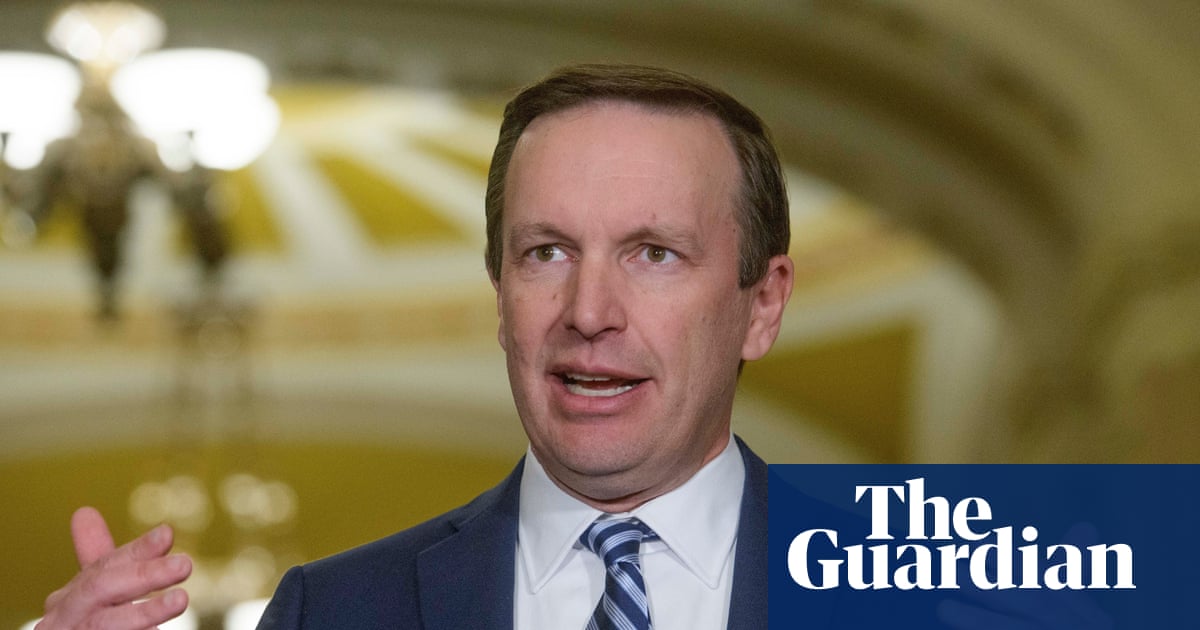
In an interview with The New York Post’s Miranda Devine for her podcast Pod Force One, Trump laid out his plan for a Democrat-controlled Congress. “I guess I’ll become Mr Veto. I’m not going to let them ruin it,” he said.
His strategy is to reject whatever Democrats send him and wait for them to tire. “They’ll be sending stuff up. You veto it. And eventually, after a month or two of getting all vetoed, they’re just wasting [time], they come over, and you make a deal,” he said. He added that deal-making after such standoffs has happened before. Still, he hoped it would not come to that: “If we didn’t win, I think we’re going to do great, but if we didn’t win, I’d veto everything. I’ll be vetoing, vetoing.”
How a Veto Actually Works
A veto lets a president reject a bill passed by Congress. Congress can override it, but only if two-thirds of both the House and the Senate vote in favour. That is a very high bar when the chambers are closely divided, which is why a veto threat carries real weight.
Trump has used the power only twice in his second term so far. In his first term he vetoed 10 bills. A Democratic Congress could therefore push those numbers up sharply.
All 435 House seats and 35 of the 100 Senate seats are up. Democrats are trying to win back the House, where Republicans hold a narrow majority, and need to gain three seats. Control of either chamber would let Democrats block Trump’s agenda, run investigations and shape spending, even if they cannot get bills past his desk.
Asked about a third term, Trump said, “I’d love to run again if I had the chance, but the language is very exacting,” a nod to the 22nd Amendment, which bars anyone from being elected president more than twice.
The Mood: Grumpy, Not Gloomy
Trump is not on the ballot, but voters are judging his economic record. Reuters describes the vibe as skeptical, if not downright grumpy, with high and rising prices the key issue and many blaming tariffs and the Iran war for lingering inflation.
Surveys show mood has generally worsened since his second term began in January 2025, though the readings differ. The Conference Board’s confidence measure rose in October, while the University of Michigan’s sentiment index hit a near-record low. Brian Jacobsen of Annex Wealth Management explains the gap: confidence tracks the macroeconomy, while sentiment is “more personal,” asking how people are doing and whether life feels affordable. “Sentiment is the bigger driver of election outcomes, but confidence is the bigger driver of markets,” he said.
The Good News Voters Aren’t Feeling
By many measures the economy is solid:
- Unemployment was 4.2 per cent in September and has not exceeded 4.5 per cent for five straight years, the longest such stretch on record.
- Weekly jobless claims are near a 57-year low.
- The economy grew at a 3.4 per cent annualised pace last quarter, its strongest this year.
- Business investment rose at a 12.7 per cent annualised pace, driven by AI demand.
- Stock indexes have set dozens of record highs, which Trump often mentions at rallies.
Treasury Secretary Scott Bessent said consumer surveys “can be a little gloomy, but the consumer behavior is quite strong.”
Prices tell a different story. Since January 2025, consumer prices and average hourly earnings have each risen about 5.5 per cent, so workers are no worse off but no better off than when Trump took office. For much of his term wages outpaced prices, but that changed after the US and Israel attacked Iran in what has become an eight-month war that lifted fuel prices globally. AI demand is also adding to inflation, and wage growth is slowing.
The Federal Reserve raised rates in September and is expected to do so again in December. Fed Chairman Kevin Warsh calls it “monetary medicine.” Meanwhile 30-year mortgage rates above 7 per cent and a housing shortage have pushed home purchases out of reach for many.
Most Americans hold some stock, but higher-income households hold far more, so market gains lift spending at the top while many others feel only the pinch at the pump, the utility bill and the restaurant.
Bloomberg’s analysis argues the deeper issue is that Trump’s economic populism is not proving popular. Tariffs have become tied to anxiety over prices and are politically toxic, fitting a historical pattern in which tariffs can be politically deadly. The core idea of populism is to ignore orthodox economists to win over the public. If the polls are right, voters may be about to deliver a verdict against that approach.
There are warning signs ahead too. After weak earnings from firms like Amazon and Intel, the Nasdaq fell sharply on worries about the AI spending boom. Apollo’s Torsten Slok has warned a “sharp reset” in AI expectations could trigger a capex pullback just as oil, tariffs and immigration limits push prices up, risking stagflation.
If Democrats win the House, expect Trump’s “Mr Veto” approach to define 2027: bills passed, vetoed and eventually bargained over. If Republicans hold on, he avoids that standoff, though the economic mood will still be there. Polls can be wrong, but whatever the result, the election will be read as a verdict on whether Trumponomics delivered on its promise of making life more affordable.





 English (US) ·