.png)
 1 hour ago
1
Those who live in dry or frigid climates know that a little humidity goes a long way for the skin. Humidifiers can help introduce more moisture into your home by emitting water vapor into the air, which helps alleviate dry skin, chapped lips, nosebleeds and other dry-weather conditions.
“Dry skin can have an impaired barrier function, making it more prone to irritation and inflammation — humidifiers help prevent winter dermatitis,” says board-certified dermatologist Dr. Jessie Cheung. More moisture in the air also helps slow down the transmission of microbes in your home — which helps with allergies — and combats irritation of your skin, nasal passages, throat and more due to dry air, according to experts. (But keep in mind, humidifiers require weekly cleaning to avoid build up of mold and bacteria.)
To help you find the best humidifier for your space, I spoke to experts about the benefits of humidifiers, the different types available and what to consider when shopping for one.
Best cool-mist humidifier
Best warm-mist humidifier
Want more from NBC Selected? Sign up for our newsletter, The Selection, and shop smarter.
Top-rated humidifiers to shop
All of the humidifiers below are either recommendations from our experts, NBC Selected staff favorites, or are top-rated options with at least a 4-star average rating from 100 or more reviews on Amazon.
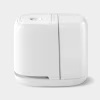
Every winter, I have so much trouble with the dry air and usually wake up with a painful, bloody nose. I also never had enough space for a humidifier in my tiny NYC apartment, so when I moved to a bigger place a few months ago, I was finally able to use this bedside Canopy one. It has made a huge difference when it comes to my quality of sleep and how comfortably I wake up. I also love how it looks; I have the sage green one and it’s the perfect look and size for my nightstand.
NBC Selected commerce editor Bethany Heitman and her family love Canopy — both of her kids have a Nursery Humidifier 2.0 in their bedrooms, plus they use the Baby Bath Tub Filter. Recently, the brand sent her their new Canopy Portable Humidifier 2.0 and she decided to keep it for herself. “My skin gets incredibly dry in the winter, particularly the inside of my nose. I set this up at my desk to use while I’m working and love how small and easy to set up it is,” she says. “The best part is, I can easily transport it to my nightstand to use while I’m sleeping. The humidifier also has a dimmable nightlight, that is great for middle-of-the-night bathroom runs. After a few weeks of using it, I’ve noticed my skin is much less dry, too.”
Levoit is one of our favorite humidifier brands, and NBC Selected special projects associate Vanessa Bethea swears by this model during allergy season, especially since her small apartment doesn’t have the best airflow. “I like that it’s a simple humidifier that I can keep by my bed and doesn’t require an app or remote. It’s also easy to refill from the top, has dishwasher-safe parts and is small enough to store away when I’m not using it,” she says.
BETA

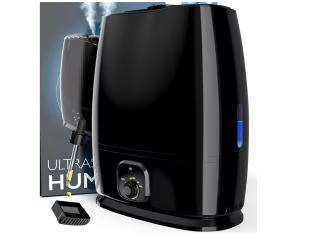
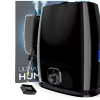
This cool mist, ultrasonic humidifier is designed to automatically shut off when the device detects it has run out of water. The essential oil tray also lets the machine double as a diffuser to add a pleasant scent throughout your home. Since it humidifies large spaces, you can use it in a bedroom or even the living room. It’s also slim and tall, which means it doesn’t take up too much surface area on a counter or side table.
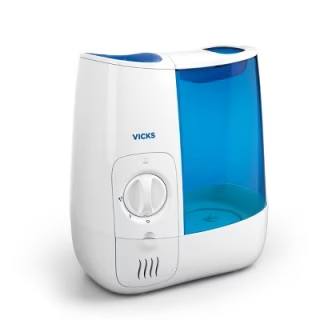
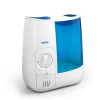
The Vicks Warm Mist Humidifier can temporarily relieve cold symptoms and congestion by pumping out a warm mist into the air, according to the brand. It comes with a large tank opening for easy filling and is designed for medium- to large-sized rooms.
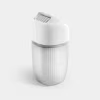
This humidifier’s lightweight design — slightly under 1.5 pounds — makes it ideal for tighter, cozier spaces, according to the brand, such as a small bedroom or home office. The top of the humidifier is also transparent, so you can always see the water level without worrying about it running out abruptly. It also includes a nightlight to help create a more soothing sleep environment, according to Pure Enrichment.
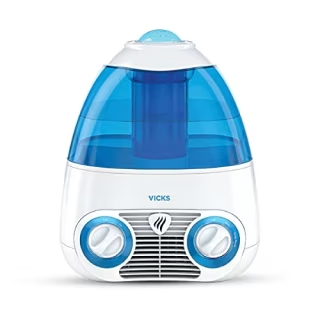
If you’re looking for a cool-mist humidifier to put in your child’s room, this budget-friendly Vicks model might be a good option. It has an antimicrobial filter that removes impurities to prevent white dust in hard water areas, according to Cheung. The humidifier has a changing light, adjustable mist settings and a transparent top. Plus, “it has the bonus of a relaxing starry sky projector,” she says.
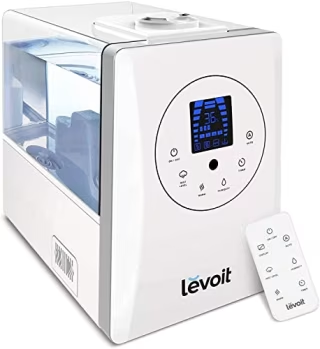
This ultrasonic humidifier from Levoit includes dual-temperature control, which means you can set a cool or warm temperature. It also comes with a remote that lets you turn the humidifier on and off, as well as control mist levels. “It has a large tank and provides humidistats to avoid over-humidification,” says Cheung. The humidifier also has a transparent water tank and functions relatively quietly, according to the brand. Since it covers such large areas, you could use this one for your entire home or apartment.
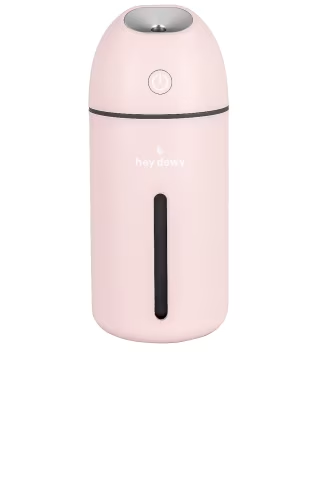
A favorite of NBC Selected editorial director Lauren Swanson, the Hey Dewy Facial Humidifier can help hydrate your face throughout the day. It’s both wireless and rechargeable, so you can travel with it. It also offers continuous and intermittent mist settings, as well as a soft LED light to keep next to your nightstand.
This humidifier weighs 2.2 pounds, making it one of the most lightweight options on this list. It also comes with a personal steam inhaler for cough and cold that you can set up by replacing the humidifier tank with the included inhaler attachment, according to the brand. This model can heat water up to 131 degrees to produce a warm mist, according to the brand.
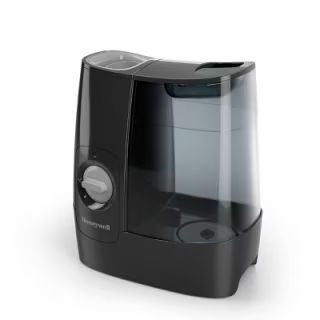
Cheung says this warm-mist humidifier is especially quiet because it doesn’t have a fan — although users may hear the sound of bubbling water. “There’s also no costly filters to replace, but it’s important to clean the mineral scale from a warm-mist humidifier to keep it running,” she says.
How to shop for a humidifier
The best humidifier is the one that you will use and maintain regularly. Whether you’re looking for your first humidifier or want to upgrade your current model, our experts highlight the different types of humidifiers, along with several features to keep in mind below.
- Type of humidifier: Humidifiers come in two main types: cool-mist humidifiers (evaporative and ultrasonic) and warm-mist humidifiers (vaporizer). The one you choose depends on your own space and needs. For instance, warm-mist humidifier models are best if you live in a cold but very dry climate; a cool-mist humidifier is best for people who live in a warm but arid environment.
- Automatic shutoff: Self-regulating humidifiers can automatically turn off. This avoids putting too much moisture in the air, which can speed the growth of mold and mildew, says Cheung.
- Mold resistance: Any mold that forms within the water or machine can disperse into the air, so this feature helps keep the water clean. However, even with mold-resistant humidifiers, it is imperative to clean them at least once weekly to avoid buildup, our experts say.
- Tank size and speed settings: The size of the tank and the different speed settings can affect how long the humidifier can run before needing a refill, as well as the size of the room it can rehydrate. Portable units range in size from one liter to six gallons. A two-gallon humidifier will usually run for 12 or more hours on low, but a one-liter humidifier will require refilling every eight hours or so.
- Room size: The size of your humidifier largely depends on the size of your room, according to our experts. For smaller rooms under 400 square feet, a humidifier with up to 1.5 gallons is sufficient. For a medium room between 400 and 1,000 square feet, a tank size between one and three gallons is needed. A large room of over 1,000 square feet should have a humidifier with a tank size of more than three gallons.
- Multiple uses: In addition to adding moisture into the air, some humidifier models are also able to purify the air, diffuse essential oils through a separate chamber and work with a nebulizer attachment.
What are the different types of humidifiers?
Although there are two main types (warm and cold mist), there are multiple versions of the latter, according to our experts.
Cool-mist humidifiers
Cool-mist humidifiers help reintroduce moisture into your home by pumping a cool mist into the air. These humidifiers can be a bit noisier than warm-mist humidifiers as they typically contain a fan. There are two main types of cool-mist humidifiers: evaporative and ultrasonic.
Evaporative humidifiers create a very fine mist that isn’t always visible to the human eye. Unlike warm-mist humidifiers, these humidifiers have no heating element, so there is no risk of burns, says Cheung. They work by using a fan to blow air through a filter. However, the fans can be noisy, and the filter should be cleaned regularly to prevent bacteria and mold from growing.
Ultrasonic humidifiers use high-frequency sound vibrations outside the human hearing range to expel water droplets into the air as a cool mist. They usually have a small fan to disperse the mist over large areas. “These devices don’t use heat and are quiet, but do require maintenance to keep them free of mold and bacterial overgrowth,” says Cheung, adding that she prefers this type because it doesn’t have a filter that needs to be replaced.
Warm-mist humidifiers
Warm-mist humidifiers — also known as vaporizers — have an internal heater that boils the water before releasing it into the air as steam, creating a warm mist. They’re typically more affordable and quieter than cool-mist humidifiers, and they can slightly warm up the air in the wintertime. Our experts say users should avoid sitting too close to steam vaporizers and avoid putting them in children’s rooms since they can get very hot.
How often should you clean your humidifier?
You should clean your humidifier at least once a week if you use it regularly. Otherwise, clean it at least once a month. To clean it, unplug it, pour out any residual water, wipe away any grime with a paper towel and use a sprayable dish soap to coat the inside of the tank. Wipe the tank with a damp paper towel. You can also add equal parts white vinegar and water to the tank, let it sit for about half an hour, pour it out and then rinse with a damp paper towel and let it dry.
Frequently asked questions
Humidifiers help maintain a certain range of humidity or moisture in specific rooms or throughout your entire home. The Environmental Protection Agency recommends maintaining indoor relative humidity between 30% and 60% (below 50%, ideally) to avoid the potential of mold growth. When it comes to comfort, the American Society of Heating, Refrigerating and Air-Conditioning Engineers says the humidity level in your home should remain below 65%. According to the Mayo Clinic, low humidity can cause dry skin, irritate your nasal passages and throat and make your eyes itchy, while high humidity can make your home feel stuffy and cause condensation on surfaces, prompting the growth of harmful and irritating bacteria and mold.
Other than regulating your home’s humidity and aiding in the above preventative measures, our experts say humidifiers have a variety of other wellness benefits that many find worth the investment.
- Humidifiers can help keep skin looking younger. A humidifier can prevent flaky skin and help get it glowing again, according to Dr. Debra Jaliman, a board-certified dermatologist and assistant clinical professor of dermatology at The Icahn School of Medicine at Mount Sinai. “The added moisture from a humidifier also helps your skin from looking aged. Fine lines and wrinkles look more prominent when your skin is dry,” she says.
- They help calm irritated skin. Jaliman notes that the added moisture released into the air can soothe itchy and inflamed skin.
- They might help relieve allergy symptoms. Humidifiers “can help those who tend to get a bloody nose from dryness and allergies,” says Jaliman.
Meet our experts
At NBC Selected, we work with experts who have specialized knowledge and authority based on relevant training and/or experience. We also take steps to ensure all expert advice and recommendations are made independently and without undisclosed financial conflicts of interest.
- Dr. Jessie Cheung is a board-certified dermatologist and founder of Cheung Aesthetics & Wellness.
- Dr. Debra Jaliman is a board-certified dermatologist and assistant clinical professor of dermatology at The Icahn School of Medicine at Mount Sinai.
Why trust NBC Selected?
I’m a commerce editor at NBC Selected, where I write about a variety of home and kitchen products, including space heaters, washable rugs and laundry stain removers. To write this story, I consulted dermatologists for expert guidance and gathered a list of product recommendations (including NBC Selected favorites) that align with their shopping advice.
Catch up on NBC Selected’s in-depth coverage of tech and tools, wellness and more, and follow us on Facebook, Instagram, X and TikTok to stay up to date.








 English (US) ·