.png)
 15 minutes ago
1
News india India Has Run Out Of Excuses But Diabetes Is No Longer A Disease We Can Outrun
Last Updated:November 23, 2026, 15:15 IST
An ICMR registry of young onset diabetes has found that 25 to 30 per cent of people diagnosed with the disease before the age of 25 now have Type 2 diabetes


More than 101 million Indians already live with diabetes. Another 136 million are on the brink. (Pixabay)

That is how Chennai-based Bhaskar found out he had Type 2 diabetes.
He is not a 60-year-old man with a family history. He is a young IT professional whose biggest crime, as far as he can tell, was eating dinner at 12 at night, mostly junk food, after long drives back home with friends. No doctor had ever told him his lifestyle was pushing him to the edge of a disease that will now stay with him for the rest of his life.
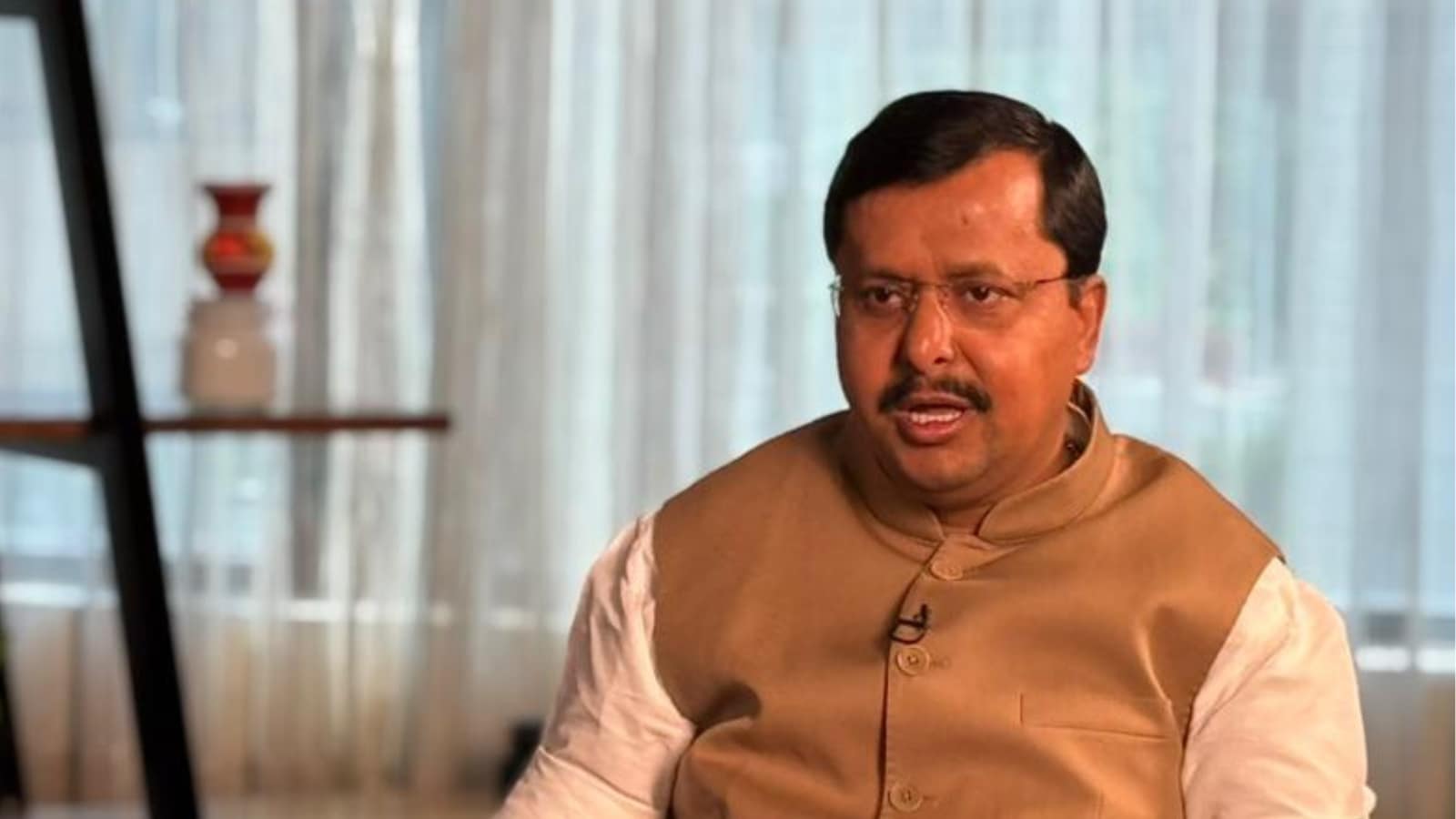
Bhaskar’s story is why News18 spent this week sitting down with two of India’s most senior voices on diabetes—Dr Nikhil Tandon, director of AIIMS, New Delhi, and an endocrinologist, and Dr V Mohan of the Madras Diabetes Research Foundation in Chennai.
Scale Is Already Past Alarming
More than 101 million Indians already live with diabetes. Another 136 million are on the brink, classified as pre-diabetic. That means nearly one in four Indians either has diabetes, or is just one bad year away from it.
But the scale isn’t even the most worrying part of the story; it is who the disease is picking.
We get diabetes almost a decade earlier than Westerners, in our 30s and 40s, instead of our 50s and 60s. We get it at lower body weights, with slimmer waistlines and smaller BMIs. Even our pregnant women aren’t spared. A new ICMR study has found that nearly one in four pregnant Indian women now has gestational diabetes, passing a lifelong risk directly to the next generation.
And it no longer stops at the pancreas. Diabetes is behind lakhs of heart attacks, dialysis cases, and amputations in India every year.
‘Bodies Were Never Built For How We Live Now’
Dr Tandon framed it bluntly. “Genes don’t change over a period of time," he said. “We’ve always had the same genes. But in the context of today’s lifestyle and environment, those same genes are not very beneficial to us."
In other words, our bodies have not changed. Our lives have.
The quantity and quality of what we eat has changed. We have become heavier. We sit more. We walk less. Urbanisation and mechanisation have given us comfort and convenience, but they have also taken away the physical labour that quietly protected earlier generations.
The result is a country where, Dr Tandon said, people in the second decade of life are being diagnosed with Type 2 diabetes. A disease that used to be an “uncommon" diagnosis in young people has become not just common, but more aggressive, demanding insulin earlier and producing complications like kidney and retina damage much faster than it did in older patients.
An ICMR registry of young onset diabetes has found that 25 to 30 per cent of people diagnosed with diabetes before the age of 25 now have Type 2, a type of diabetes that was once considered an adult disease.
Dr Mohan put it simply. “The disease used to arrive after 60, then it moved into middle age, further into young adults, then into teenagers and now it has reached our children."
No Longer ‘Rich Man’s Disease’
For over a 100 years, diabetes was called a “rich man’s disease" in India. In 1906, physician Dr Bose famously wrote that “what gout is to the nobility of the English people, diabetes is to the rich people of India".
Both doctors quoted the exact same line, independently of each other, because it is still being quoted today. And both clarified it is no longer true.
The reason is sobering. The rich now know about obesity, carbs, and calories. They buy organic salads, go to gyms, and monitor their weight. But the poor cannot afford to follow the same lifestyle. For many Indian families, a packet of ultra-processed junk food is cheaper than a kilo of fresh fruit or vegetables. Diabetes has shifted from the kings of India to the construction workers, the drivers, the daily wagers, and the millions of families who eat what is cheap, not what is healthy.
For the first time in India’s history, our poorest people may be getting diabetes faster than our richest.
The “Thin-Fat" Trap
Then there is the body shape problem we refuse to talk about honestly. Dr Mohan calls it “TOFI"—“Thin Outside, Fat Inside" Indian.
Studies comparing Indians with white Europeans of the same weight and BMI have shown that Indians carry nearly double the fat content, often tucked around the organs where it does the most damage. This is why a slim-looking cousin can be pre-diabetic. This is why Bhaskar, who did not look overweight, could land in a doctor’s office at 29 with a sugar of 400.
The lesson is uncomfortable. In India, looking thin is not a certificate of health. We need to stop treating it as one.
Air Pollution
Dr Tandon was also asked if India’s filthy air is quietly adding to the diabetes crisis and his answer was careful. “Yes, there is evidence linking PM2.5 exposure to higher diabetes risk. But no, pollution is not the biggest driver."
Weight, inactivity, and diet still are. But in a country where millions already breathe some of the worst air in the world for months on end, one more toxin pushing our pancreas is not a risk we can afford.
In short, diabetes in India is no longer about bad luck, bad genes, or old age. It is about choices we are making, every single day, as individuals, families, and as a country. And unlike air pollution, where we can at least point at factories and farmers, this one points back at us.
At the 29-year-old eating dinner at midnight, at the parent handing a toddler a packet of biscuits because it is faster than cutting an apple, at the office worker who thinks taking the stairs is beneath them or at the government that still has not built diabetes into school curricula or affordable screening programmes. Also, the insurance system still treats this disease as an afterthought.
Diabetes is not coming for us anymore. It is already here. The question is no longer when. The question is what we are willing to give up to stop it.
Because, as experts pointed out, three of the biggest risk factors are the only three we can actually change: how much we weigh, how much we move, and what we put on our plates.
That is not a medical problem, that is a choice. And every single one of us, including me, needs to start making it differently.
Handpicked stories, in your inbox
A newsletter with the best of our journalism
About the Author

Himani ChandnaSenior Associate Editor
Himani Chandna, Senior Associate Editor at CNN-News18, tracks healthcare, pharma and medical research, bringing clarity to complex science and policy.
First Published:
November 23, 2026, 15:15 IST
Disclaimer: Comments reflect users’ views, not News18’s. Please keep discussions respectful and constructive. Abusive, defamatory, or illegal comments will be removed. News18 may disable any comment at its discretion. By posting, you agree to our Terms of Use and Privacy Policy.
Read More






 English (US) ·